
Seven innovative techniques for sustainable building design
- indrsarv
- Jun 20, 2025
- 5 min read

Updated: Feb 21
Rethinking architecture through ecology, material intelligence, and human connection.
Sustainable building design is no longer a niche practice — it’s a necessity. As cities expand and resources shrink, architects and designers are reimagining how structures interact with their environment.
Today, innovation lies not only in technology but in the wisdom of returning to balance — with climate, culture, and context.
At SARV Sustainable, we believe that true innovation harmonizes traditional intelligence with modern science. Here are some forward-thinking techniques shaping the future of sustainable architecture:
Passive Design Strategies: Working with Climate, Not Against It
Instead of relying on mechanical systems, passive design harnesses natural forces like sunlight, wind, and thermal mass.
Orientation & Shading: Aligning buildings to capture winter sun and block harsh summer rays.
Cross Ventilation: Designing openings that channel prevailing winds, reducing dependence on air-conditioning.
Thermal Massing: Using materials like stone, earth, or concrete to store and release heat gradually.
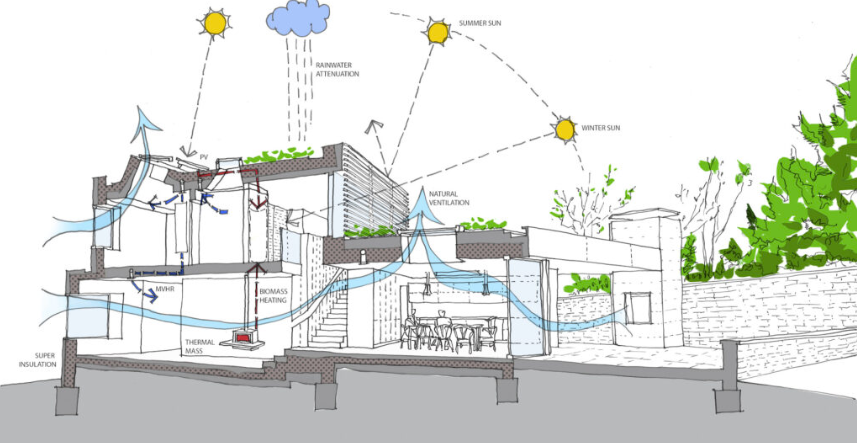
These strategies turn buildings into responsive, breathing systems rather than static enclosures.
Passive design strategies are also crucial in achieving sustainable building design. This approach involves orienting buildings to maximize natural light and ventilation while minimizing energy use.
Features such as large windows, thick walls, and strategically placed overhangs can help regulate a building's temperature.
For instance, the Bullitt Center in Seattle uses passive design principles, resulting in a significant reduction in energy consumption.
Vernacular Inspiration: Traditional Wisdom, Modern Expression
Across India’s diverse regions, centuries of observation have shaped vernacular architecture perfectly suited to each local climate.
From the courtyard houses of Rajasthan that naturally cool interiors through cross ventilation to the mud-and-lime homes of Kerala that regulate humidity and temperature, traditional Indian building techniques demonstrate an intuitive understanding of ecology and comfort.
These time-tested methods form the foundation of sustainable architecture in India, showcasing how design can thrive in harmony with nature without relying on excessive technology.
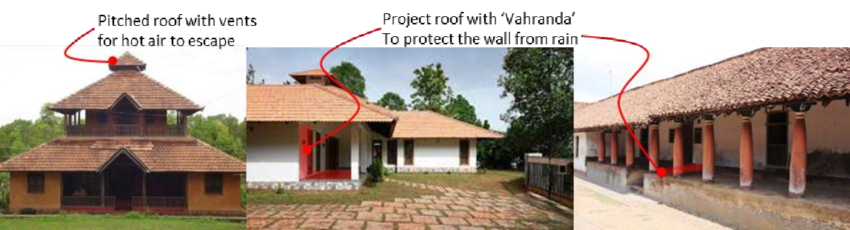
Today, architects are reinterpreting these regional systems using eco-friendly materials, passive cooling strategies, and contemporary aesthetics.
The result is architecture that feels both rooted in tradition and relevant to the modern world — resilient, adaptive, and deeply connected to place.
By revisiting vernacular wisdom, we rediscover sustainability not as a trend, but as a timeless way of building that celebrates climate, culture, and community.
Smart Materials and Adaptive Systems
The next frontier in green building design lies in intelligent materials that adapt to their environment.
Smart materials like phase change compounds (PCMs) absorb and release heat, keeping interiors thermally stable without external energy.
Self-healing concretes extend building lifespan and reduce maintenance, while photovoltaic glass and solar skins generate clean energy from the façade itself.
These innovative building technologies allow architecture to perform dynamically — responding to sunlight, temperature, and moisture in real time.
Paired with local, low-carbon materials such as bamboo, lime, or stabilized earth, they create a synergy between technology and tradition.
For sustainable architecture in India, such innovation must remain context-driven — solutions that respect both climate and culture.
At SARV Sustainable, we view technology not as decoration but as intelligence embedded in material — architecture that is living, responsive, and enduring.
Technology and Automation in Building Design
The incorporation of advanced technology and automation can significantly enhance the sustainability of buildings. Smart building systems help regulate energy and water usage, ensuring that resources are used efficiently.
For example, smart thermostats can adjust heating and cooling in real time based on occupancy patterns, leading to reduced energy consumption.
Moreover, Building Information Modeling (BIM) is transforming the way architects and builders create plans.
BIM allows for a comprehensive view of a building's lifecycle, helping professionals make informed decisions about materials and energy usage. This technology can lead to more efficient construction processes, reduced waste, and overall better building performance.

Collaborative tools powered by technology also enable communication among stakeholders, which can lead to better problem-solving and resource management. Embracing technology in building design ultimately paves the way for more innovative and sustainable solutions.
Human-centric Biophilic Design: Connecting People to Nature
Sustainability is ultimately about people. Biophilic design focuses on reconnecting humans with nature, creating spaces that support mental, emotional, and physical well-being.
Incorporating natural light, ventilation, green walls, and organic materials not only reduces energy use but also improves comfort and productivity.
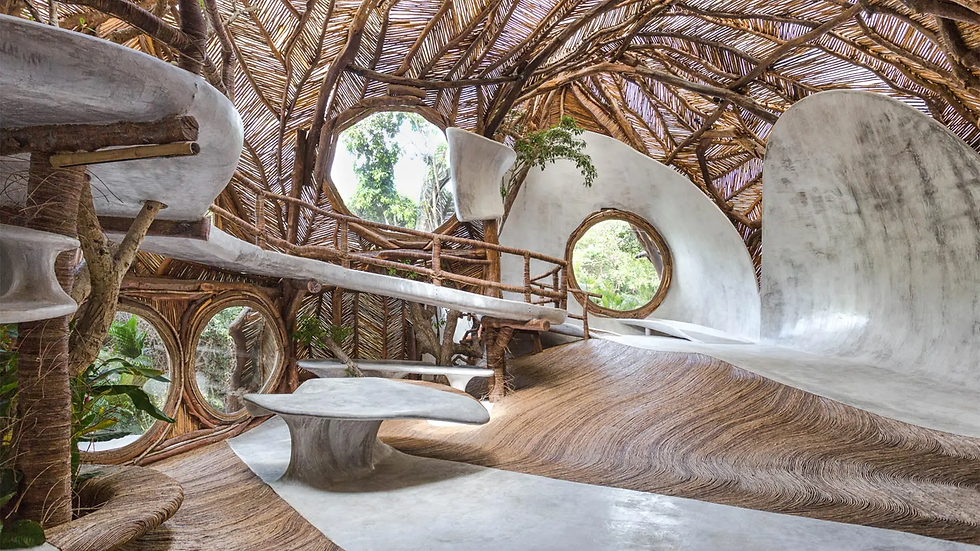
In offices, schools, and homes, views of greenery and natural textures foster calmness and focus. This human-centered approach transforms sustainable architecture into a tool for wellness.
When paired with passive and vernacular strategies, eco-friendly architecture becomes not just energy-efficient, but life-enhancing.
At SARV Sustainable, we design spaces that heal — where architecture breathes, materials age gracefully, and people feel connected to their surroundings. True sustainability thrives when design nurtures both the planet and its inhabitants.
Water-Sensitive Urban Design
Water is one of the most critical elements in sustainable development. Water-sensitive urban design (WSUD) integrates water management into the very fabric of the built environment.
By combining rainwater harvesting, greywater recycling, bioswales, and permeable pavements, architects can restore natural hydrological cycles disrupted by urbanization.
In regions prone to flooding or drought, these systems help cities become more resilient.
Rooftops and landscapes designed to capture, filter, and reuse water reduce dependency on municipal supply and recharge groundwater. Integrating water-sensitive design early in the planning phase transforms buildings and communities into self-sustaining ecosystems.
For eco-friendly building design in India, where monsoons and scarcity coexist, WSUD offers a powerful path forward. At SARV Sustainable, we view every drop as a design opportunity — a resource to be celebrated, not controlled — helping cities flow in rhythm with nature once again.
Circular Materiality: Building with What Already Exists
Circular design redefines how we think about materials — moving away from the “take, make, dispose” model toward reuse, repurpose, and regenerate. By reintroducing reclaimed timber, recycled steel, or demolition debris into new projects, architects drastically reduce construction waste and embodied carbon.
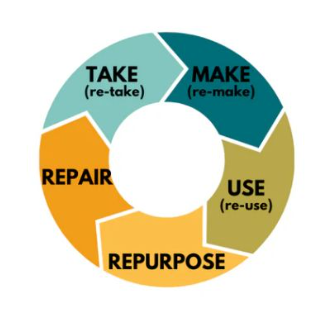
This practice doesn’t just minimize impact — it gives materials new stories and meaning. Adaptive reuse projects, where old buildings are revived rather than replaced, demonstrate how sustainable architecture can preserve heritage while meeting modern needs.
For India, where urban expansion often erases existing structures, adopting circular principles can transform the construction industry.
At SARV Sustainable, we design with the mindset that nothing in nature is wasted. Every resource has potential, and every design choice is a chance to close the loop — creating buildings that are regenerative by design.
The Benefits of Sustainable Building Techniques
Adopting eco-friendly building techniques brings forth a multitude of benefits.
First and foremost, these methods contribute to environmental protection through reduced energy consumption, waste generation, and resource depletion. Sustainable buildings are vital in combating climate change and promoting a healthier planet.
Secondly, the long-term financial benefits cannot be overlooked. While the initial investment in sustainable materials and technologies may be higher, the savings on energy, water, and maintenance costs can lead to substantial financial returns over time.
For example, a study found that green buildings can increase property values by up to 20%.
At SARV Sustainable, we envision buildings as living systems that adapt, respond, and regenerate. By merging traditional wisdom, scientific precision, and eco-conscious materials, we craft spaces that nurture both people and the planet.
Join the Movement
Are you interested in integrating sustainable design strategies into your projects? Explore the possibilities with SARV: Sustainable.
We’re a Gandhinagar-based architecture studio designing climate-responsive homes and workplaces across diverse Indian climates — thoughtfully tailored to each site, lifestyle, and budget.


Comments