
Essential Eco-Friendly Construction Materials List: Green Construction Material Ideas for Sustainable Building

Building a home or commercial space today is about more than just bricks and mortar. It’s about creating a sanctuary that respects the earth beneath our feet and the air we breathe. As someone passionate about sustainable design, we’ve seen how choosing the right materials can transform a project from ordinary to extraordinary.
If you’re looking to build or renovate with the your family's health in mind, this guide on green construction material ideas will help you make informed, eco-conscious choices.
Why Green Construction Material Ideas Matter
When we talk about green construction material ideas, we’re really discussing how to construct buildings that find greater rhythm with nature. Traditional construction often relies on materials that consume vast amounts of energy, emit harmful gases, or put a toll on the occupant's health. But what if we could build with materials that are renewable, recyclable, or naturally abundant?
Choosing eco-friendly materials isn’t just a trend; it’s a responsibility. These materials help conserve resources, improve indoor air quality, and often provide better durability. Plus, they can blend beautifully with India’s rich architectural heritage, marrying tradition with innovation.
Here are some compelling reasons to consider green materials:
Lower carbon footprint: Many eco-friendly materials require less energy to produce.
Healthier living spaces: Natural materials reduce toxins and allergens indoors.
Cost savings: Durable materials reduce maintenance and replacement costs in long run.
Support local economies: Using regionally sourced materials boosts local industries.
With these benefits in mind, let’s explore some of the best green construction material ideas you can use.

Top Green Construction Material Ideas for Sustainable Projects
Here’s a curated list of eco-friendly materials that are making waves in sustainable architecture, especially suited for Indian climates and construction styles:
1. Bamboo
Bamboo is often called the “green steel” of construction. It grows rapidly, reaching maturity in just 3-5 years, making it a highly renewable resource. Its tensile strength rivals that of steel, yet it’s lightweight and flexible. Bamboo is perfect for framing, flooring, and even decorative elements.
Benefits: Fast-growing, strong, lightweight, naturally pest-resistant.
Uses: Structural beams, scaffolding, flooring, wall panels.
Considerations: Proper treatment is essential to prevent decay and insect damage.
2. Fly Ash Bricks
Fly ash is a byproduct of coal combustion in power plants. Instead of letting it pollute the environment, fly ash bricks recycle this waste into durable, lightweight bricks. They consume less water and energy during production compared to traditional clay bricks.
Benefits: Reduces industrial waste, energy-efficient manufacturing, good insulation.
Uses: Walls, partitions, and load-bearing structures.
Considerations: Ensure sourcing from certified manufacturers to avoid quality issues.
3. Rammed Earth
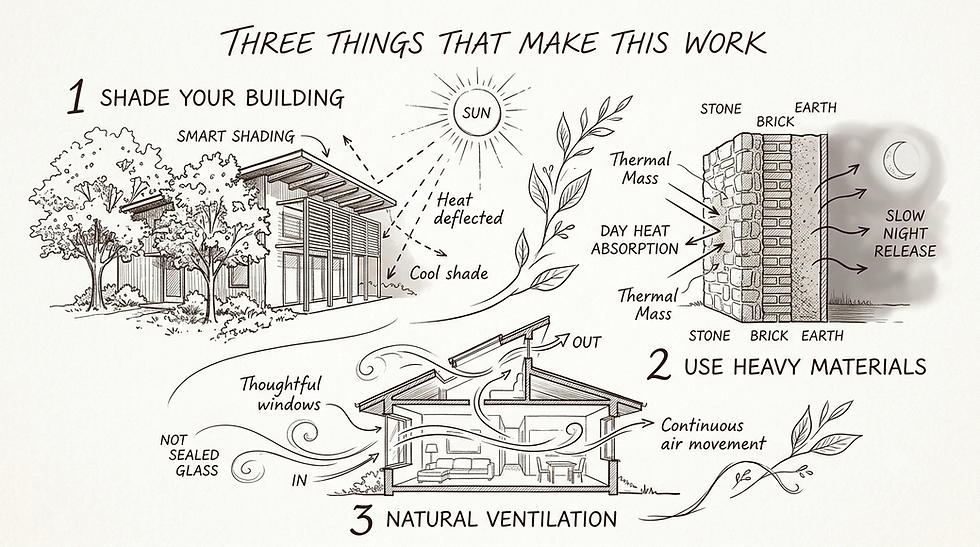
Rammed earth construction uses natural soil compacted into formwork to create solid walls. This ancient technique is gaining popularity for its thermal mass, which keeps interiors cool in summer and warm in winter.
Benefits: Locally sourced, excellent thermal regulation, fireproof.
Uses: Walls, foundations, and decorative facades.
Considerations: Requires skilled labour and proper soil composition.
4. Recycled Steel
Steel is one of the most recycled materials globally. Using recycled steel reduces the need for mining and lowers greenhouse gas emissions. It’s strong, durable, and ideal for structural frameworks.
Benefits: High strength, recyclable, termite-proof.
Uses: Structural beams, roofing, reinforcements.
Considerations: Energy-intensive to produce initially but offset by recycling.
5. Cork
Cork is harvested from the bark of cork oak trees without harming them, making it a renewable resource. It’s lightweight, insulating, and naturally resistant to moisture and pests.
Benefits: Renewable, excellent insulation, soundproofing.
Uses: Flooring, wall coverings, insulation panels.
Considerations: Limited availability in some regions.
6. Natural Stone
India is blessed with abundant natural stone varieties like granite, sandstone, and marble. Stone is durable, fire-resistant, and requires minimal processing, making it an eco-friendly choice.
Benefits: Long-lasting, low maintenance, natural beauty.
Uses: Flooring, cladding, countertops.
Considerations: Quarrying impacts should be managed responsibly.
7. Hempcrete
Hempcrete is a bio-composite made from hemp hurds and lime. It’s lightweight, breathable, and provides excellent insulation. Hemp grows quickly and absorbs CO2 as it grows, making hempcrete a carbon-negative material.
Benefits: Carbon-negative, insulating, pest-resistant.
Uses: Wall insulation, non-load-bearing walls.
Considerations: Not suitable for structural load-bearing.
8. Reclaimed Wood
Using reclaimed wood reduces deforestation and adds character to your building. Old wood from demolished buildings or discarded furniture can be repurposed for flooring, beams, or furniture.
Benefits: Reduces waste, unique aesthetics, durable.
Uses: Flooring, paneling, furniture.
Considerations: Check for pests and treatment history.

What is the Most Sustainable Construction Material?
This question often sparks lively debates among architects, builders and property owners. The truth is, sustainability depends on many factors: sourcing, production, transportation, lifespan, and end-of-life disposal.
If we had to pick one, bamboo stands out as a top contender. Its rapid growth rate, strength, and versatility make it a remarkable material. Unlike traditional timber, bamboo can be harvested every few years without killing the plant, ensuring a continuous supply.
However, rammed earth also deserves a mention for its minimal processing and excellent thermal properties, even functioning as load bearing walls. It uses local soil from the site itself, reducing transportation emissions and costs and blending naturally with the environment.
Ultimately, the most sustainable material is one that fits your project’s specific needs, local climate, and availability. Combining materials thoughtfully often yields the best results.
How to Choose the Right Eco-Friendly Materials for Your Project
Selecting green materials can feel overwhelming, but a few guiding principles can simplify the process:
Assess local availability: Materials sourced nearby reduce transportation emissions and support local economies.
Consider climate suitability: For example, rammed earth works well in dry climates, while bamboo thrives in humid regions.
Evaluate lifecycle impact: Look beyond upfront costs to consider durability, maintenance, and recyclability.
Prioritise health: Choose materials with low or no volatile organic compounds (VOCs) to improve indoor air quality.
Balance aesthetics, costs and function: Sustainable materials can be beautiful and functional when chosen carefully.
By keeping these points in mind, you can create a building that’s not only eco-friendly but also comfortable and visually appealing.
Practical Tips for Incorporating Eco-Friendly Materials
Here are some actionable recommendations to help you integrate green materials into your construction or renovation:
Start early: Discuss material choices with your architect or builder from the beginning.
Mix and match: Combine traditional materials like stone with modern eco-friendly options like recycled steel.
Use certified products: Look for certifications that guarantee sustainable sourcing and production.
Plan for waste reduction: Design for modular construction or reuse to minimise waste.
Educate your team: Ensure everyone involved understands the benefits and handling of eco-friendly materials.
Remember, every small decision adds up. Even choosing natural paints or low-impact insulation contributes to a healthier home and planet.
Embracing Sustainable Building for a Greener Future
Building with eco-friendly materials is like planting a seed for future generations. It’s a commitment to harmony between human needs and nature’s limits. By exploring this eco friendly construction materials list, you’re taking a vital step toward creating spaces that breathe life and sustainability.
Whether you’re constructing a modest home or a sprawling commercial complex, these green construction material ideas offer a roadmap to reduce environmental impact without sacrificing beauty or function. Together, we can build a future where architecture respects tradition, embraces innovation, and honours the earth.
Let’s build green, build smart, and build with heart.


Comments